
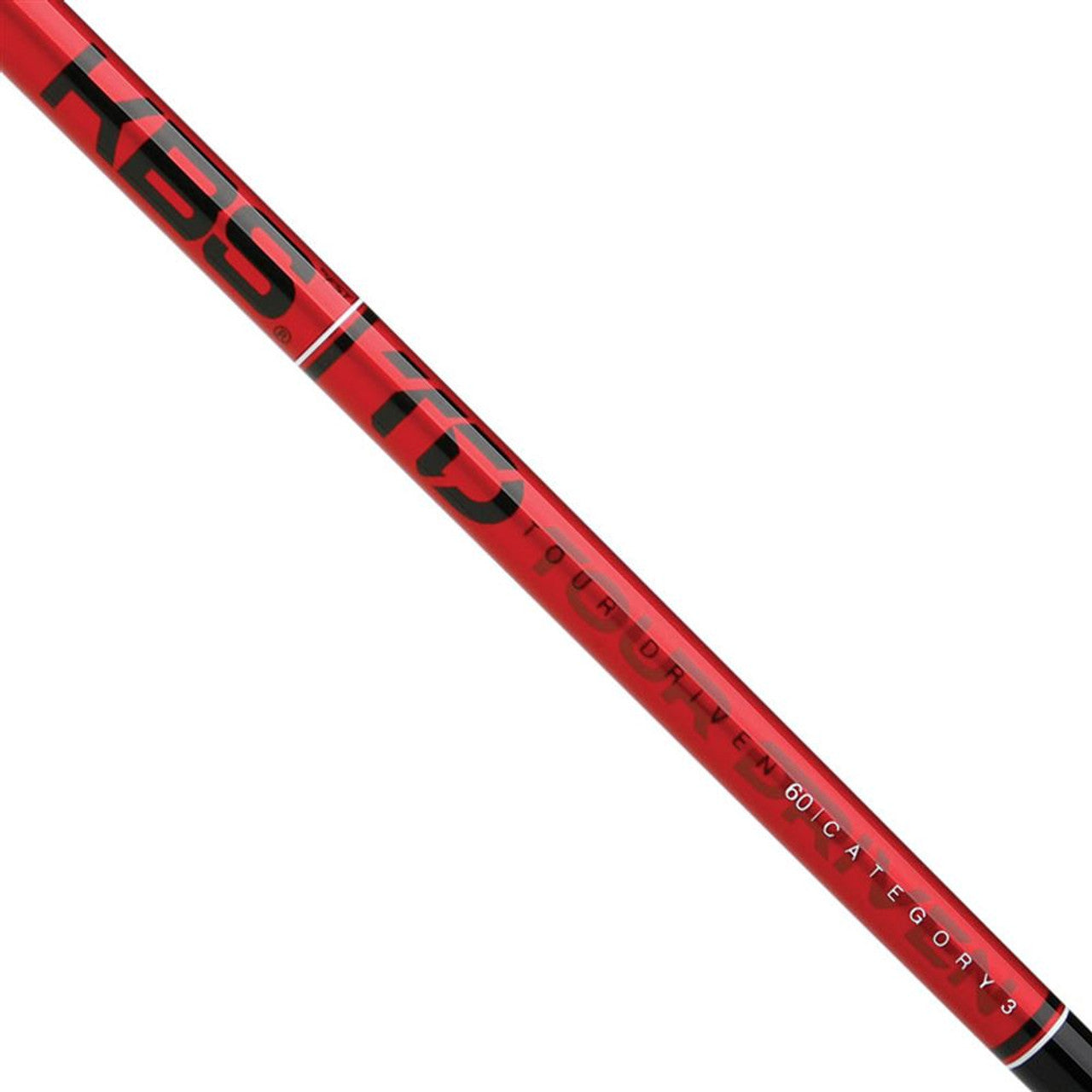
How to Choose the Right Golf Shaft: A Complete Guide for Australian Golfers 2026
By Bunker Ball Golf | Melbourne, Australia | Golf Equipment Guide
If you have ever stood on the first tee knowing something feels off before you have even swung, there is a reasonable chance it is your shaft. The shaft is the engine of every golf club. It dictates how the head arrives at impact, controls your launch angle, determines your spin rate, and influences every element of your ball flight. Yet most Australian golfers are still playing whatever stock shaft came with their driver or irons off the rack.
This guide covers everything you need to know to make the right call, including every flex we stock, what the numbers actually mean, and how a properly built custom shaft can genuinely transform your game.
Why the Shaft Matters More Than the Club Head
Here is something most golfers do not realise. A driver head influences ball flight by roughly 15 to 20 percent. The shaft influences the other 80 percent. It determines how and when the head reaches the ball, how loaded it is at the top, and how much energy transfers through impact.
A stock shaft is a compromise. It is built to work for the broadest range of golfers possible, which means it is optimised for no one in particular. An aftermarket shaft fitted to your actual swing speed, tempo, and ball flight preference is a completely different proposition.
For the right player, a proper shaft upgrade can add 15 to 25 metres of carry and significantly tighten dispersion. The wrong shaft costs you both.
Understanding Shaft Flex: A Full Breakdown
Flex refers to how much the shaft bends during the downswing. It is the most discussed variable in shaft fitting, and for good reason. Play a shaft that is too stiff for your speed and the face will not square up in time. Play one that is too soft and you will leak shots all over the place from an overloading shaft.
We stock shafts in all five standard flexes. Here is a full breakdown of each:
Ladies Flex (L)
Ladies flex is the most flexible option available and is designed for golfers with slower, smoother swing speeds. The shaft loads easily during the downswing, which helps generate club head speed and launch angle without the player needing to force the swing.
• Driver swing speed: under 60 mph
• Typical driver carry: under 150 metres
• Who it suits: beginner and recreational female golfers, and slower-swinging male golfers
• Shaft weight range: typically 40 to 50 grams
Ladies flex shafts are generally lighter and designed to maximise launch. If you are playing a regular or senior flex and struggling to get the ball airborne consistently, dropping to a ladies flex could be a genuine revelation.
Senior Flex (A)
Senior flex, sometimes called A-flex (for amateur), sits between ladies and regular. It is one of the most underused options in golf. Many golfers who were once on regular flex but have slowed down over the years stay in regular out of habit or ego, and it costs them distance and consistency.
• Driver swing speed: 60 to 75 mph
• Typical driver carry: 150 to 180 metres
• Who it suits: older golfers, players who have lost swing speed, or anyone with a very slow, smooth tempo
• Shaft weight range: typically 45 to 55 grams
Do not let the name put you off. Senior flex is about optimising for your actual swing, not making a statement about age. If the numbers fit, play it.
Regular Flex (R)
Regular flex is the most common starting point for recreational and mid-handicap golfers. It provides a good balance of flex and control for moderate swing speeds. Most stock shafts in off-the-shelf drivers are regular flex.
• Driver swing speed: 75 to 90 mph
• Typical driver carry: 180 to 215 metres
• Who it suits: most recreational and club golfers, 18 to 28 handicap range
• Shaft weight range: typically 50 to 65 grams
If you are on the upper end of this range (85 to 90 mph) and playing accurate golf, it is worth trialling a stiff to see whether you pick up control without losing distance.
Stiff Flex (S)
Stiff flex is where most serious club golfers and low handicappers land. It provides less bend through impact, which helps faster swingers keep the face under control and deliver a more consistent strike. If you are playing regular and hitting a lot of high pulls or hooks, there is a chance your shaft is overloading.
• Driver swing speed: 90 to 105 mph
• Typical driver carry: 215 to 255 metres
• Who it suits: competitive club golfers, single-figure handicappers, players with aggressive transitions
• Shaft weight range: typically 60 to 75 grams
Extra Stiff Flex (X)
Extra stiff is the least flexible option and is designed for elite-level swing speeds. Most amateur golfers do not need X flex and actually lose distance and feel by playing it. It requires a fast, aggressive transition to load the shaft properly. If you are not generating above 105 mph consistently, X flex is likely working against you.
• Driver swing speed: 105 mph and above
• Typical driver carry: 255 metres and above
• Who it suits: elite amateurs, scratch golfers, and tour-level players
• Shaft weight range: typically 65 to 80+ grams
One important note: flex consistency varies between manufacturers. A stiff shaft from one brand may play closer to regular from another. This is why brand and model matter as much as the label on the shaft.
Shaft Weight: Finding Your Range
Weight is just as important as flex and is often overlooked. Driver shafts typically range from 40 grams (very light, suited to slower swings) up to 80 grams plus (suited to elite swing speeds). Here is the general principle:
• 40 to 55 grams: Suits ladies and senior flex players. Light weight helps generate speed with less effort.
• 55 to 65 grams: Sweet spot for most regular and stiff flex golfers. Good balance of speed and control.
• 65 to 80 grams: Suits stiff and X flex players who want maximum stability through impact.
If you are spraying the ball even on what feel like solid strikes, a heavier shaft may bring your dispersion in significantly. If you feel like you are working too hard to generate speed, going lighter could unlock metres without any change to your swing.
Torque: What It Is and Why It Matters
Torque measures how much the shaft twists during the swing, expressed in degrees. It is separate from flex but related. A shaft can be stiff in flex but high in torque, or flexible but low in torque. Both matter.
• Low torque (2 to 3 degrees): Better control, suits fast and aggressive swingers who tend to overpower the shaft.
• Mid torque (3.5 to 4.5 degrees): The most versatile range, suits the majority of golfers across regular and stiff flex.
• High torque (5 to 6 degrees): More forgiving feel, suits ladies and senior flex players who need help releasing the face through impact.
Kick Point (Bend Profile): Controlling Your Launch
Kick point, also called bend point or flex point, refers to where the shaft bends the most during the downswing. This directly affects your launch angle and spin rate.
• Low kick point: Higher launch, more spin. Best for ladies, senior, and regular flex players who struggle to get the ball in the air. Also good for golfers who tend to hit down on the ball.
• Mid kick point: Balanced launch and spin. The most versatile option and suits a wide range of players across regular and stiff flex.
• High kick point: Lower launch, less spin. Suits fast swingers in stiff and X flex who are launching the ball too high or generating too much spin off the tee.
Graphite vs Steel: Which Shaft Material Is Right for You?
Graphite and steel each have clear roles in a golf bag. Understanding the difference helps you make the right call across your full set.
Graphite Shafts
Graphite is lighter, absorbs vibration better, and helps golfers generate more club head speed with less effort. It is the standard choice for drivers, fairway woods, and hybrids across every level of the game. Premium brands like Graphite Design and Mitsubishi Diamana have pushed graphite technology to a point where consistency, feel, and performance rival anything in steel.
Graphite iron shafts have also improved enormously and are now a genuine option for golfers of all skill levels, not just seniors. If you suffer from joint pain, wrist issues, or elbow trouble, the vibration damping in graphite can make a meaningful difference over 18 holes.
Steel Shafts
Steel shafts are heavier, more consistent in terms of feel feedback, and typically more affordable. They remain the dominant choice in irons and wedges for low-to-mid handicappers who want maximum feedback from each strike. If you want to feel exactly where you missed on the face, steel tells you.
The general rule: graphite from the driver through to hybrids, steel in the irons and wedges. But your own feel preference and physical requirements always take priority over convention.
Custom Shaft Builds at Bunker Ball Golf
One of the things that separates Bunker Ball Golf from most Australian online golf stores is that every shaft we sell is built to order in our Sandringham workshop. That means:
• You choose the length, standard or custom to your spec
• You choose the adapter to suit your club head, Titleist SureFit, TaylorMade, Callaway Optifit, Ping, Cleveland, and more
• You choose the grip from our full range, installed at no extra charge
• We stock premium shafts from Graphite Design and Mitsubishi Diamana
• Standard turnaround is 2 to 5 business days
You are not buying a shaft off the shelf. You are getting something built specifically for your setup and your game.
Frequently Asked Questions
How do I know what flex I need without getting a fitting?
Use your driver carry distance as a guide. Under 150 metres suggests ladies or senior flex. 150 to 180 metres suggests senior or regular. 180 to 215 metres suggests regular. 215 to 255 metres suggests stiff. Over 255 metres suggests extra stiff. These are starting points, not definitive answers. A launch monitor fitting session will give you certainty.
Is senior flex only for older golfers?
No. Senior flex is for any golfer whose swing speed falls in the 60 to 75 mph range. Age is irrelevant. If your swing speed has dropped, whether through injury, age, or simply your natural tempo, senior flex may be the smarter option even if you have spent years playing regular.
Can I use the same shaft adapter across different driver brands?
No. Shaft adapters are brand-specific and in some cases model-specific. A Titleist SureFit adapter will not fit a TaylorMade or Callaway driver. Always confirm the exact adapter model that matches your driver head before ordering. If you are unsure, reach out and we will help you confirm compatibility.
Does flex consistency vary between shaft brands?
Yes, significantly. A stiff shaft from one manufacturer can play closer to regular from another. This is one of the reasons brand and model knowledge matters when selecting a shaft. Our team can help you navigate this based on your current setup and what you are looking to change.
How long does a custom build take and how does shipping work?
Our standard turnaround for custom shaft builds is 2 to 5 business days from our Sandringham workshop. We ship Australia-wide, with free shipping on orders over $400. We also ship to New Zealand.
I am a senior golfer. Is it worth upgrading my shaft?
Absolutely. In fact, senior golfers often see the biggest improvement from a proper shaft upgrade. Dropping from a regular to a senior or ladies flex, combined with a lighter shaft weight, can recover significant distance that has been lost to a shaft that is working against the swing rather than with it.
Ready to Find the Right Shaft?
Browse our full range of golf shafts at Bunker Ball Golf, available in ladies, senior, regular, stiff, and extra stiff flex. Every shaft is custom built in our Sandringham workshop to your specs including length, adapter, and grip. Shipped Australia-wide with free shipping over $400.
Not sure where to start? Email us at admin@bunkerballgolf.com.au or call us on +61420543303 and we will help you work it out before you spend a cent.

Leave a comment
This site is protected by hCaptcha and the hCaptcha Privacy Policy and Terms of Service apply.